
Learn more about problems with the Fallopian tubes
- The Fallopian tubes transport eggs from the ovary to the uterus.
- The Fallopian tubes can become blocked and cause fertility problems.
- They are studied through X-rays or laparoscopy.
- Surgery or In Vitro Fertilization is used as treatment.
The Fallopian tubes are responsible for carrying the eggs from the ovary to the uterus. To do this, the tubes use two mechanisms.
One mechanism involves muscle contractions that push the contents of the Fallopian tubes, similar to the contractions of the intestines that move food through the digestive system. The other mechanism involves tiny “hairs” called cilia, which are found on the cells lining the inside of the tubes. The cilia move the egg toward the uterus, much like a conveyor belt moves luggage at an airport.
In addition, the Fallopian tubes must allow sperm coming from the vagina to swim against the flow toward the egg to meet it at the far end of the tube. They maintain ideal conditions for the egg and sperm to unite, allowing fertilization to occur, and then provide nutrients to the embryo during its first four days of life.
All these functions of the Fallopian tubes can be disrupted by factors such as inflammation, infection, or scarring after pelvic surgeries, like ovarian surgery or appendectomy. These factors can damage the cilia of the cells, cause adhesions that prevent the tubes from moving freely, or even completely block them.
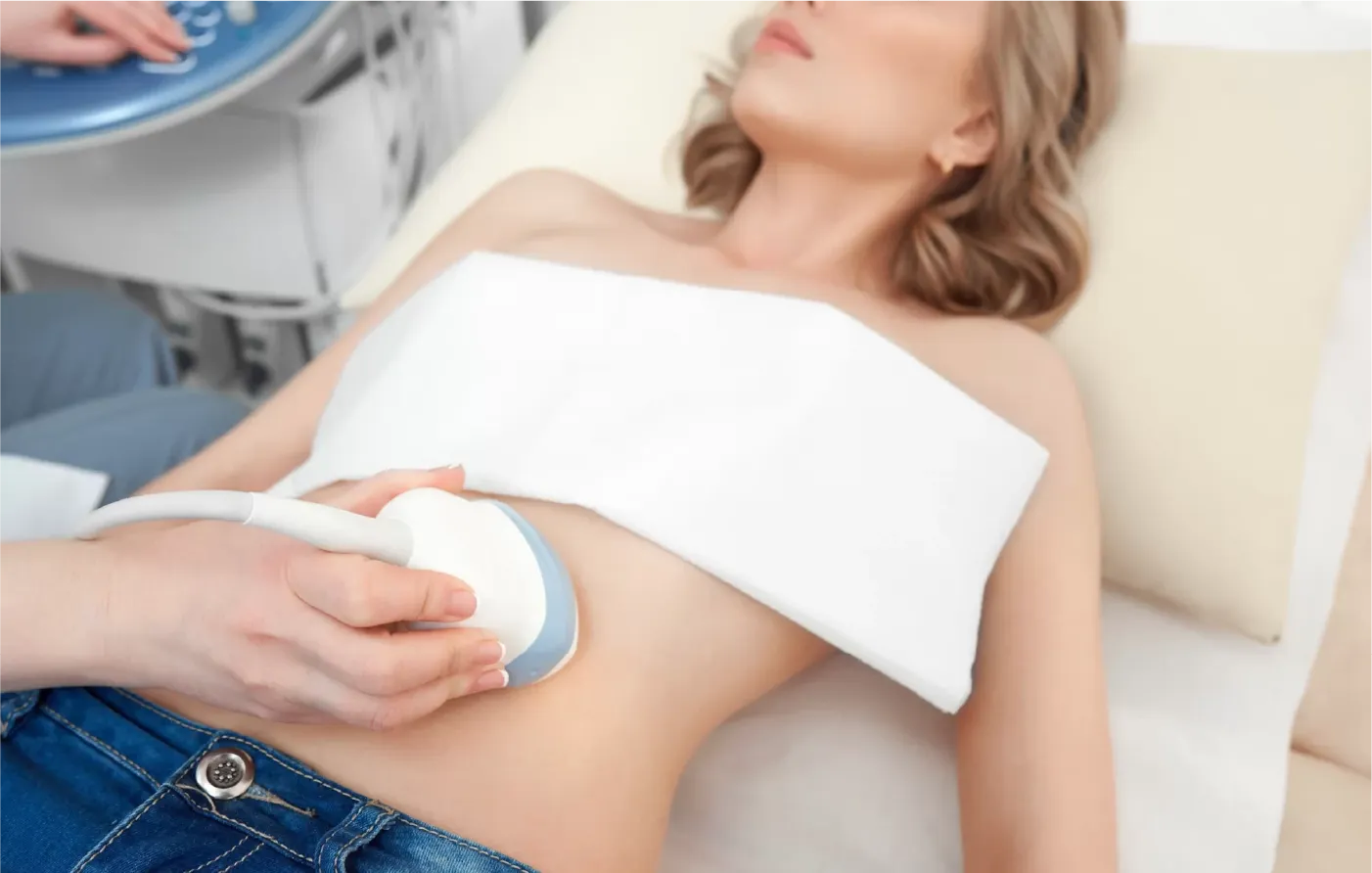
How can you tell if the Fallopian tubes are blocked? To examine whether the tubes are obstructed, a liquid is introduced into the uterus under a certain pressure, and it is observed whether the liquid passes through the tube and exits into the abdominal cavity. The passage of the liquid is documented using ultrasound (sonohysterography), X-rays (hysterosalpingography), or laparoscopy.
What to do with blocked Fallopian tubes? When the obstruction occurs in a single location, such as a ligation, or when there are external adhesions, as can happen after appendicitis or peritonitis, the problem can often be corrected with tubal surgery. On the other hand, when inflammation and damage occur inside the tubes and the ciliated cells are impaired, the likelihood that corrective surgery will be successful and result in pregnancy is very low, and the best treatment option is In Vitro Fertilization. In this procedure, the eggs are extracted and fertilized with sperm in the laboratory. The fertilized eggs are then introduced into the uterus through the vagina, thus bypassing the Fallopian tubes.
We believe in your desire to build a family,and we’re here to make it possible.

We will contact you soon